A 2022 Psilocybin Microdosing Trial Tested Popular Claims
Key takeaways
- Subjective effects did not establish broad benefit.
- Condition identification complicates blinding.
- Small samples and brief follow-up limit conclusions.
A double-blind placebo-controlled study published in 2022 examined psilocybin mushroom microdosing in 34 participants. It found subjective effects but did not demonstrate broad improvements across the other measured outcomes.
The trial in context
Cavanna and colleagues published the study in Translational Psychiatry in August 2022. Its controlled design offered a stronger comparison than an uncontrolled account of feeling better after beginning a routine.
The sample was small, and the study period was limited. These facts restrict how precisely the findings can be estimated and how far they can be extended to long-term practice.
Subjective effects and condition guesses
Acute subjective effects were more pronounced on active-condition occasions chiefly among people who correctly identified the condition. That observation makes the success of blinding central to the interpretation.
Noticing an effect is not the same as demonstrating an improvement in a meaningful clinical outcome. A paper may show perception-related changes without proving that everyday functioning or a diagnosed condition improves.
What was not established
The researchers did not find evidence of broad improvement across the other measured outcomes. That result should not be rewritten as a general treatment claim, nor should it be stretched into certainty that every possible benefit is impossible.
A small short study also cannot settle uncommon harms or long-term safety. Controlled-study observations must remain tied to their actual participants and procedures.
An evidence-led interpretation
This is a look back at a published study, not a claim about a newly approved intervention. The appropriate conclusion is narrower than many wellness headlines: popular claims still require careful controlled testing.
Our study-reading guide explains how to distinguish a main result from a headline’s extra assumptions.
Sources and further reading
Explore our research resources for help checking original sources.
Medical information: This article is for education, not diagnosis or treatment. Discuss health decisions with a qualified clinician. Do not change prescribed treatment based on this article.
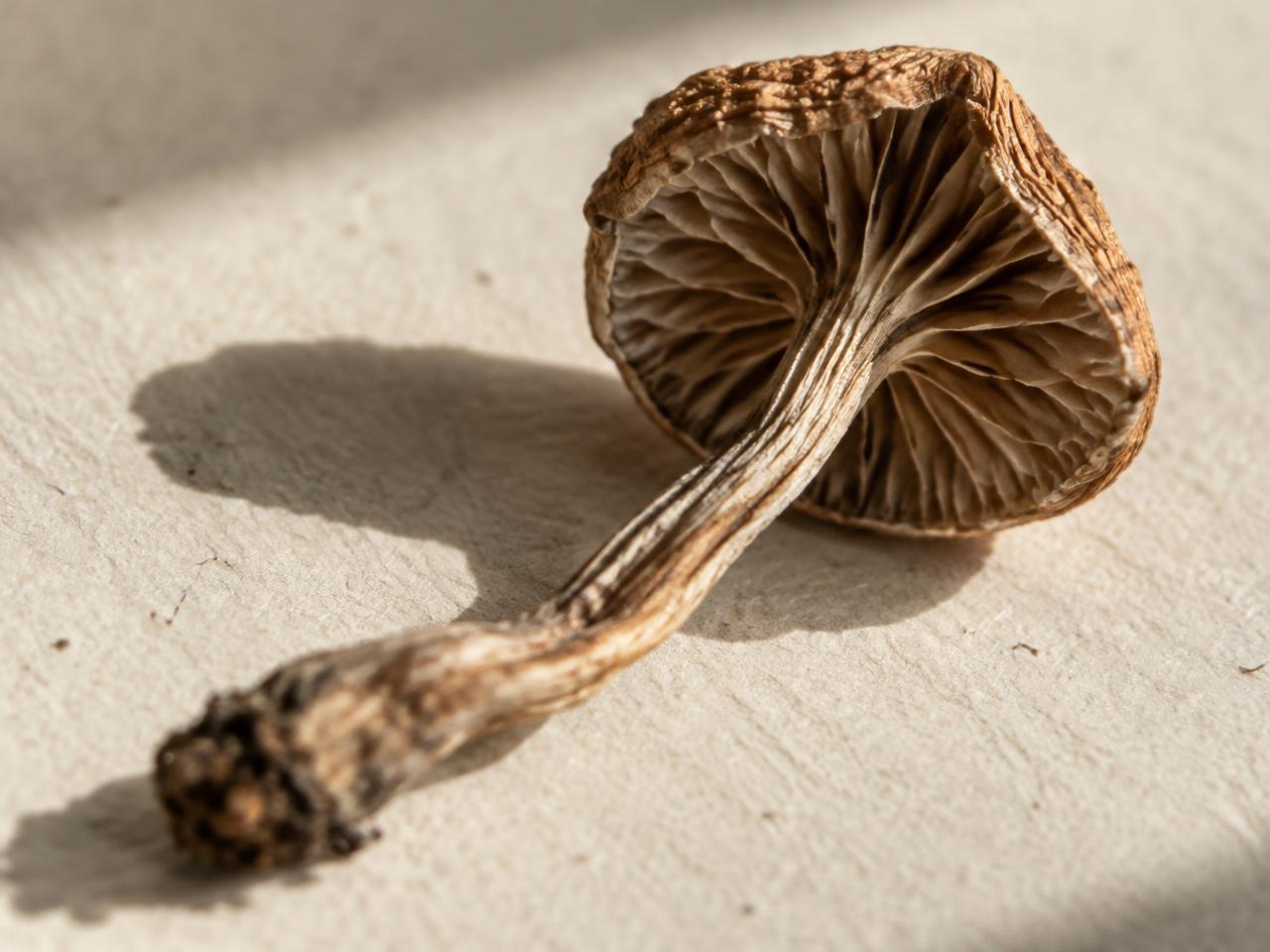
The accompanying picture is an illustrative editorial image, not a photograph of the cited study or its participants.
Written by
Microdose News Editorial Team
Microdose News Editorial Team covers the latest news and insights for Microdose News.
 PreviousMicrodosing: What the Evidence Can—and Cannot—Tell Us
 NextQuestions to Bring to a Clinician About Microdosing